

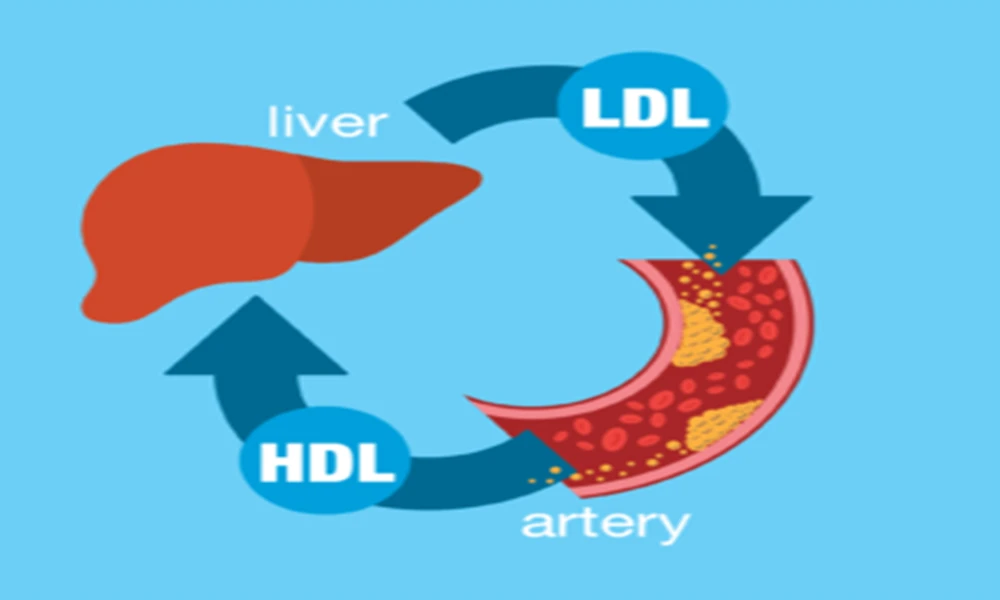
A cholesterol report can be confusing. It may include total cholesterol, LDL, HDL, triglycerides and non-HDL cholesterol. Many people look at only one value and miss the larger risk pattern.
LDL is often called bad cholesterol because higher levels can contribute to plaque buildup in arteries. Lowering LDL is important for many people, especially those with diabetes, previous heart disease, high BP or strong family history.
HDL is often called good cholesterol, but this label can be misleading. A higher HDL does not erase the risk from high LDL, diabetes, smoking or high blood pressure. A person should not assume they are safe because one value looks good.
Non-HDL cholesterol includes LDL and other cholesterol-rich particles that may contribute to artery disease. It can be useful when triglycerides are high. Doctors may use it to understand risk more clearly.
Triglycerides are also important. High triglycerides may reflect excess refined carbohydrates, alcohol, fatty liver, diabetes or insulin resistance. A combined pattern of high triglycerides, low HDL and high waist size often suggests metabolic risk.
Lifestyle changes can support lipid improvement. These include reducing fried foods, bakery items, sugary drinks and refined snacks. Increasing vegetables, pulses, fibre and regular movement can help. Weight reduction may improve triglycerides and insulin resistance.
Madhavbaug’s heart-risk management programme may be used as a contextual link for readers seeking supervised cardiometabolic care.
Many patients need medicines. Statins and other lipid-lowering medicines may be prescribed based on overall risk, not just one number. Patients should not stop them because they read fear-based claims online. Side effects should be discussed with the doctor.
A lipid report should be interpreted with age, symptoms, diabetes, BP, kidney function, tobacco use and previous heart events. Two people with the same LDL may need different treatment.
Diet changes should also be realistic. A person does not need to follow extreme plans. Sustainable changes work better than short strict phases followed by relapse.
Readers may also visit Madhavbaug heart wellness for broader information.
Medical disclaimer: Cholesterol targets and medicines should be decided by a qualified clinician.