

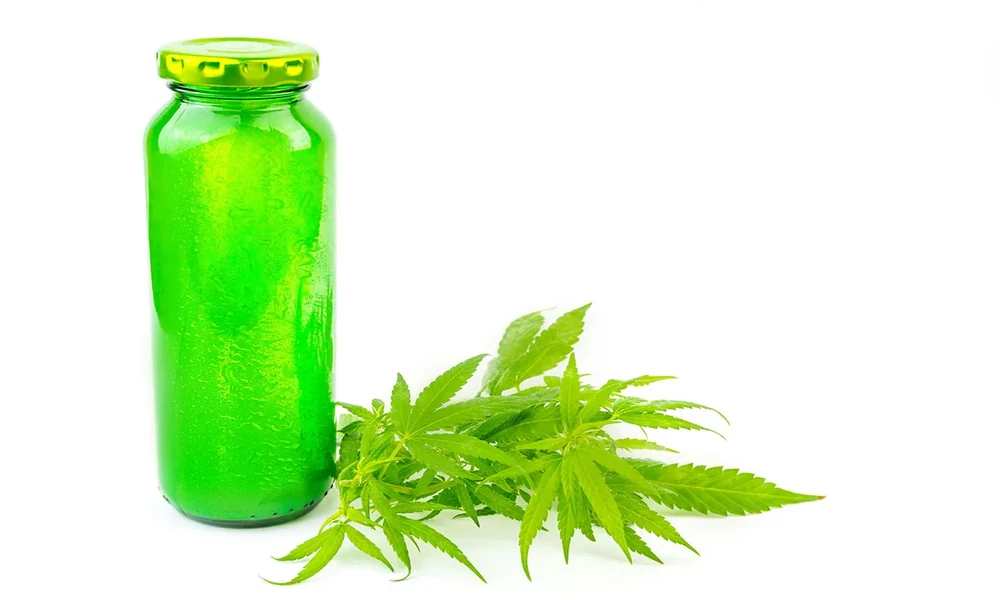
Drinks get there first, edibles stay the longest, and that’s the whole contest in one line. A can of thc drinks starts landing maybe twenty minutes after the first sip, sometimes sooner, on an empty stomach. Meanwhile, a gummy eaten at the same moment might sit quietly for a full hour, occasionally ninety minutes. Nothing mysterious sits behind this gap; liquid slips through digestion while solid pieces still have breaking down left to do. Identical milligrams, two totally different clocks ticking away.
Past that opening gap, the split only widens further. Drinks climb quickly, peak inside an hour, then start easing off without much warning. Gummies crawl upward instead, hold near their ceiling for hours, and stretch sessions beyond six hours in slower metabolising consumers. Each format spends its strength at a different stage. Setting the onset, peak, and duration next to each other makes the right pick fairly clear.
Onset speed
A drink built on nano emulsion gets moving in 15 to 30 minutes, quick enough that some people feel it before finishing the can. Gummies and baked goods take their time, anywhere from half an hour to 90 minutes, since solid food breaks apart slowly.
- Nano-emulsified drinks start working within 15 to 30 minutes on an empty stomach.
- Standard edibles need 30 to 90 minutes before effects register, depending on digestion speed.
- Non-emulsified beverages narrow the gap slightly, landing closer to edible timing.
- Fat in a recent meal slows both formats, though edibles feel the delay more.
Peak intensity
Drugs reach peak effects sooner, sometimes within an hour of onset, then begin a gradual decline. Edibles build more slowly, often taking two to three hours before intensity fully settles.
- Drinks show a sharper rise followed by a quicker decline once the peak passes.
- Edibles build gradually, holding near peak intensity longer before tapering off.
- Liver conversion into 11-hydroxy THC applies to both, though edibles build it more gradually.
- Body weight and metabolism shift peak timing for both, sometimes narrowing the gap considerably.
Total duration
Edibles hold effects longer overall, often stretching past six hours and sometimes reaching eight, since slower absorption spreads release across a wider window. Drinks run shorter, frequently wrapping up within four to six hours, depending on formulation and metabolism.
- Drinks typically conclude within four to six hours from onset to fade.
- Edibles often extend past six hours, occasionally reaching eight in slower consumers.
- Splitting either format into smaller portions shortens the total duration.
- Consumers wanting a defined endpoint tend to favour drinks for this reason.
Practical differences
Beyond timing, a few everyday details separate the two formats in daily use.
- Portion control runs easier with drinks, since many arrive in single-serve containers.
- Taste works differently; drinks blend into a beverage while edibles stand alone as snacks.
- Digestive comfort varies; some find liquid formats gentler than baked or gelatin pieces.
- Social settings often favour drinks, since sipping draws less attention than eating an edible.
A drink kicks in faster and wraps up sooner. An edible takes its time getting there, but sticks around much longer once it does. Neither wins outright; it depends on whether someone has hours to spare or needs to be back to normal by a set time.