

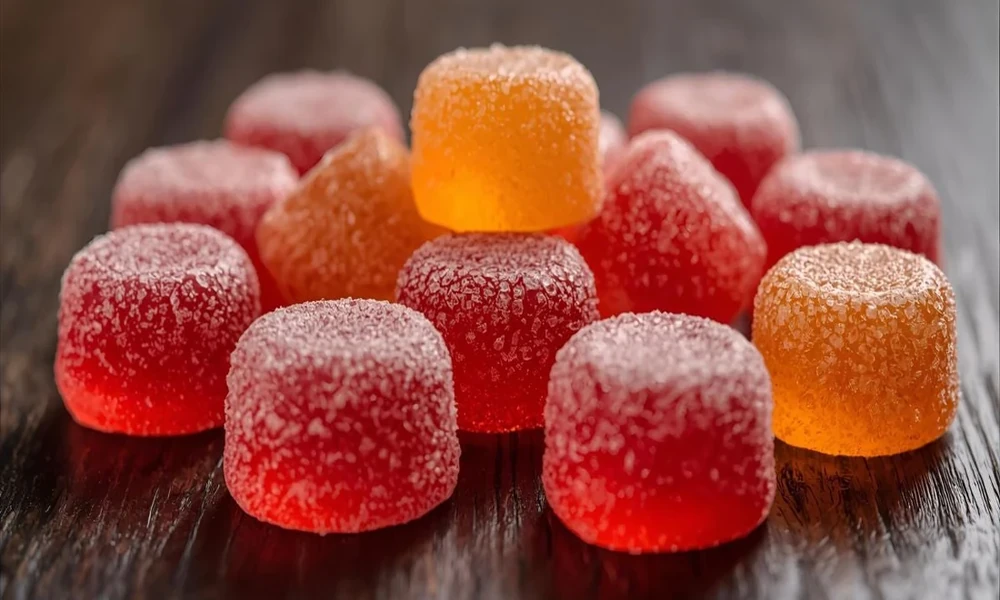
Delta 9 THC gummies derived from hemp have become one of the most scrutinised products in the cannabis industry. There is a real compound, real effects, and a narrow legal pathway to make it happen. Delta 9 THC is capped at 0.3% by dry weight in hemp products. Manufacturers have found a straightforward way to deal with heavier gummies. With a larger piece, a compliant concentration can still deliver an effective dose. When you shop the gummies sitting in this category, that manufacturing logic explains why certain products feel more substantial in hand than a typical supplement would.
Seven options worth comparing
1. Full-spectrum gummies
Hemp extracts in full-spectrum products remain whole. Before making the gummies, CBD, CBG, CBN, and terpenes are not removed. Often, consumers who have tried isolate-based products have been disappointed. Despite its inability to describe precisely, the full extract produces a different quality of experience.
2. Broad-spectrum gummies
Broad-spectrum holds onto the surrounding cannabinoid profile but removes detectable THC from everything except the added delta 9. It is a deliberate formulation, not a half-measure. Some consumers specifically want that cannabinoid context without compounding their THC intake from multiple sources within the same product.
3. High-potency options
This tier runs from roughly 10mg up to 25mg of delta-9 per piece. Those numbers look clean on a label. The problem is that dosage accuracy in edibles is inconsistent across the industry, and the higher the stated dose, the more a variance matters. Third-party lab results tied to specific batches are the only honest check on whether that number holds.
4. Low-dose entry formats
Starting around 2.5mg and rarely exceeding 5mg per piece, these exist for consumers who want control more than intensity. A smaller dose makes it easier to track what the compound is actually doing before adding more. It also makes overconsumption harder to stumble into, which matters more than it gets credit for among newer consumers.
5. Sleep-formulated gummies
CBN shows up regularly in this subcategory, paired with delta 9 and aimed at evening use. The combination leans toward physical settling rather than mental engagement. Melatonin appears in some versions, too, though whether it adds anything meaningful beyond familiarity is genuinely debatable and likely varies person to person.
6. Vegan and clean-ingredient gummies
Pectin handles the texture in gelatin-free versions. That swap is straightforward. What takes more attention is the rest of the ingredient list. Artificial colouring, synthetic flavour compounds, and filler ingredients show up across plenty of mid-range products. None of it touches potency, but it does say something about how a brand weighs ingredient decisions against production convenience.
7. Mixed cannabinoid gummies
Some delta 9 gummies are built around a ratio rather than a single compound dose. A 1:1 pairing with CBD, for instance, pulls back on peak intensity while stretching duration. The ratio does more work than the raw delta-9 figure in products like these, so reading the label proportions carefully matters before purchase.
A batch-specific certificate of analysis is the clearest way to distinguish products that perform from those that merely look good. It is verifiable when a brand publishes current lab results tied to actual production runs. An outdated or generic test result is not acceptable. There is no better signal at the point of purchase for predicting quality than this gap in accountability.