

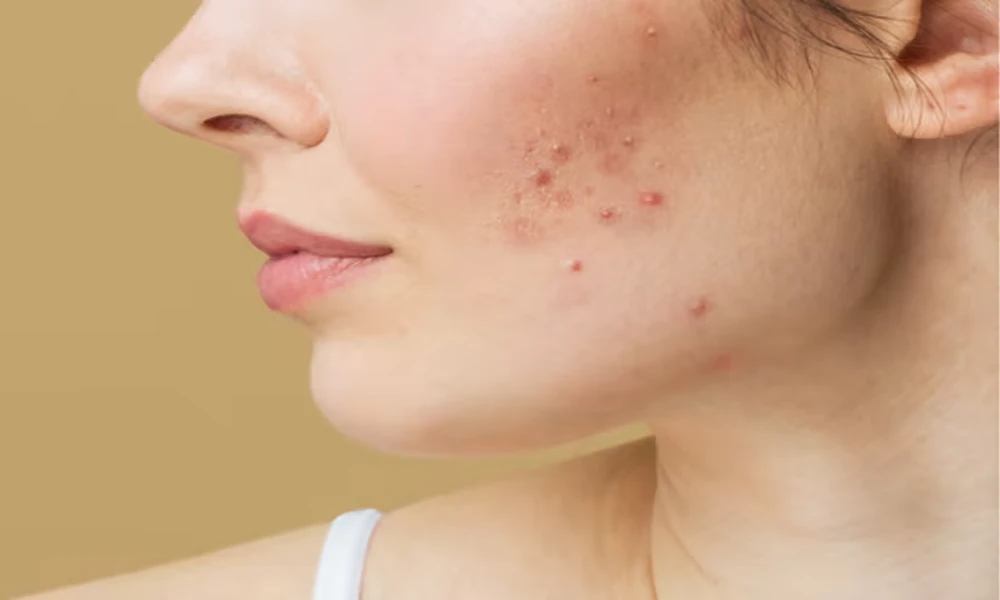
Acne vulgaris is a chronic inflammatory skin disorder affecting millions. Recent data suggests it impacts approximately 9.4% of the global population. For many, it is far more than a temporary cosmetic concern.
The condition can profoundly affect a person’s emotional wellbeing and daily life. Understanding the link between skin health and mental state is crucial for effective management. This is a core focus for specialists like The Psychodermatologist.
A 2015 qualitative study of 100 patients aged 15 and above provided clear insights. It showed how visible symptoms, particularly on the face, can trigger significant distress. The impact on self-perception and social confidence is often substantial.
This guide, supported by Surgical Arena Ltd, explores this complex relationship. We examine how the severity of breakouts influences quality of life. For some individuals, persistent facial acne is linked to feelings of anxiety and depression.
Recognising these psychological aspects is the first step towards holistic care. It moves the focus beyond purely physical treatment acne solutions.
Key Takeaways
- Acne vulgaris is a prevalent condition, affecting around 9.4% of people worldwide.
- The state of one’s skin is intrinsically linked to overall mental health and emotional wellbeing.
- Research, including a 2015 patient analysis, confirms acne can severely impact daily life and self-esteem.
- Feelings of anxiety and depression are not uncommon among those managing persistent symptoms.
- A holistic approach to care considers both the physical presentation and its psychological effects.
- Specialist resources are available in the UK to help navigate this dual challenge.
Introduction: The Impact of Acne on Mental Health
Ranked among the world’s most common diseases, acne extends its influence far beyond the surface of the skin. It holds the eighth position globally, affecting millions of individuals. This prevalence makes it a significant public health concern, particularly for young people.
International reports indicate the condition is widespread among adolescents. Estimates suggest between 28.9% and 91.3% of this age group experience it.
Overview of Acne and Its Prevalence
The sheer scale of acne vulgaris underscores its importance. For many, it is not a fleeting issue but a persistent challenge that shapes daily life.
Understanding this prevalence is the first step for those affected. It validates their experience and guides them towards seeking appropriate care for their skin health.
Psychosocial Challenges Faced by Patients
Individuals managing breakouts often face profound psychosocial hurdles. A reduced sense of self-worth and social withdrawal are common symptoms.
Research consistently highlights this link. One cross-sectional survey of 150 people in Bangladesh found facial acne significantly correlated with higher levels of anxiety depression.
Another qualitative study emphasised that acne vulgaris is a psychosomatic disorder. This means it requires a holistic treatment acne approach, addressing both physical and emotional factors.
The severity acne can deeply affect a person’s body image and overall quality of life. In clinical settings, clinicians note that more severe presentations are sometimes linked to reports of suicidal ideation.
“The impact acne has on a young person’s world can be devastating, influencing their choices and interactions daily.”
Recognising these challenges is crucial. It moves the focus towards comprehensive support for acne patients and their mental health.
Understanding Psychological Causes of Acne
Scientific inquiry increasingly points to stress and hormones as primary drivers of inflammatory skin responses. The skin often mirrors internal turmoil, acting as a visible indicator of underlying imbalance.
Research confirms that endogenous and external stresses activate the cutaneous HPA-like axis. This biological process can worsen acne vulgaris in many individuals.
Hormonal Imbalances and Stress Triggers
Hormonal surges during puberty are a key factor for adolescents. This natural change can set the stage for persistent skin issues that extend into adulthood.
Many patients report that stress triggers lead to increased symptoms of anxiety and depression. This complicates their overall health status and quality of life.
Periods of high stress often cause facial acne to flare up. This visible change can profoundly affect a person’s body image and self-esteem.
Clinical study indicates acne may be a psychosomatic disorder. It affects both the physical and emotional state of those experiencing it.
Effective treatment acne requires addressing the physical lesions and the accompanying psychological distress. Understanding this impact helps clinicians provide more holistic care.
The Role of Stress in Acne Flare-ups
Research now confirms that stress acts as a potent trigger, worsening acne severity through specific physiological pathways. This connection forms a challenging cycle for many individuals.
A recent study by Schrom et al. highlights a key lifestyle factor. It found that poor sleep quality and short sleep duration are linked to worse acne severity in adults.
Stress Mechanisms Affecting the Skin
When the body experiences stress, it releases hormones like cortisol. These substances can stimulate oil glands in the skin to produce more sebum.
Excess sebum, combined with dead skin cells, can clog pores. This creates an ideal environment for acne vulgaris to develop or worsen.
Inflammatory Response and Acne Severity
Stress mechanisms also increase inflammatory factors in the skin. This heightened state of inflammation directly correlates with the severity of breakouts observed in many patients.
If not managed, this inflammatory response can lead to more painful lesions and increase the risk of permanent scarring.
| Stress Factor | Physiological Effect on Skin | Practical Management Tip |
|---|---|---|
| Poor Sleep Quality | Disrupts hormone regulation, increasing inflammatory markers. | Aim for 7-9 hours of consistent, uninterrupted sleep. |
| Academic/Work Pressure | Elevates cortisol, boosting sebum production. | Schedule short breaks for deep breathing or a walk. |
| Chronic Anxiety | Sustains low-grade inflammation, worsening existing acne. | Consider mindfulness practices to lower daily stress. |
Understanding this cycle is vital for effective treatment. Patients often find that stress leads to acne, which then fuels further anxiety, impacting mental health. Breaking this loop requires addressing both the skin condition and its triggers.
Emotional Wellbeing and Acne Vulgaris
For many dealing with acne, the condition’s impact on mental wellbeing can be as significant as its physical symptoms. A study of 150 individuals highlighted a gender disparity, finding female patients reported notably higher levels of depression and anxiety than males.
Emotional wellbeing is frequently compromised. Acne patients often describe feelings of helplessness and may withdraw from social situations. This can lead to a marked decrease in their overall quality life.
“The distress from persistent facial acne isn’t just about the skin; it’s a profound emotional experience that colours every interaction.”
Adolescents are especially vulnerable. Acne vulgaris during these formative years can negatively shape body image and social confidence. Clinical data suggests severe cases may be linked to suicidal ideation in a small but significant percentage of individuals.
| Risk Factor | Emotional Impact | Recommended Action |
|---|---|---|
| Female Patients | Higher reported levels of anxiety depression | Integrate routine psychological screening into consultations |
| Adolescents | Negative influence on body image and social development | Provide age-appropriate counselling and peer support |
| Severe or Persistent Acne | Increased risk of suicidal ideation (6-7% of patients) | Ensure clear referral pathways to mental health services |
Therefore, effective treatment acne must look beyond the surface. Screening for these emotional symptoms is essential for providing truly holistic care to all affected patients.
Relationship Between Acne Severity and Mental Health
The distress caused by acne is not merely subjective; it is quantifiable through standardised quality of life assessments. Research confirms a strong, bidirectional link. A recent study using Pearson’s correlation analysis found a significant positive correlation between having acne and experiencing depression, anxiety, and stress.
This complex relationship means that as acne severity increases, so too can the impact on a person’s mental health. For many patients, their skin condition is the primary driver of low self-esteem and social withdrawal.
Quality of Life Measures and Assessments
To understand this impact, clinicians use validated tools like the Dermatology Life Quality Index (DLQI). These questionnaires generate scores that measure how much a skin condition affects daily life.
High DLQI scores in acne patients often signal a need for additional psychological support. They can help identify those at risk of severe emotional distress, including suicidal ideation.
“Routinely assessing quality of life is essential. It moves the conversation beyond the physical lesions and directly addresses the patient’s lived experience.”
The impact is particularly significant for adolescents with acne vulgaris. Their appearance becomes a major factor in social interactions and overall wellbeing. Effective treatment must therefore address both the visible symptoms and these measured psychological effects.
Expert Insights from Surgical Arena Ltd
Clinical experts at Surgical Arena Ltd highlight a critical gap in standard dermatological care for acne. They emphasise that acne vulgaris is fundamentally a psychosomatic disorder. This means it demands a coordinated, multidisciplinary strategy for effective treatment.
The impact acne has on mental health is frequently underestimated. Many acne patients report their skin condition severely affects their quality life. This can lead to depression and anxiety in more severe cases.
“We must look beyond the visible symptoms. The emotional burden for patients acne is real and requires equal clinical attention.”
Early intervention is crucial, especially for adolescents. Clinical studies suggest this can prevent long-term psychological effects. The prevalence of suicidal ideation among these patients is a serious concern.
Understanding the factors influencing acne severity is key. It allows for personalised care plans. Healthcare providers should use validated scores to assess emotional health during check-ups.
For many, their appearance is a major stress source. This stress can worsen their skin symptoms. A holistic approach addresses both the physical and emotional impact.
Perspectives from The Psychodermatologist
Specialist insights from The Psychodermatologist reveal a common emotional turning point for individuals with persistent skin concerns. This expert field bridges dermatology and mental health, focusing on the profound interplay between condition and psyche.
Many people find their daily existence heavily influenced by their appearance. The Psychodermatologist emphasises that recognising this struggle as a valid medical issue is often the first step toward healing.
Clinical Insights and Patient Anecdotes
In practice, a recurring theme is the sense of relief patients experience when their skin condition is medically validated. This validation can reduce feelings of isolation and shame.
“Acknowledging the real distress caused by acne is therapeutic in itself. It allows individuals to start addressing both the physical and emotional layers.”
Personal stories frequently describe how acne has affected social interactions and self-esteem for years. These anecdotes highlight a significant impact on quality of life.
Clinical studies support this, showing a strong link between acne vulgaris and severe depression. The risk of suicidal ideation is a serious concern, particularly when psychological support is lacking.
For many, visible symptoms are a constant source of anxiety. This worry can intrude on work, study, and daily routines. Understanding these factors is crucial for effective care.
Healthcare professionals are advised to use standardised scores to track progress. This helps monitor both the skin‘s response and the patient’s emotional health.
The Psychodermatologist advocates for a holistic approach. Effective treatment must address the physical disorder and the wellbeing of the whole person.
Societal Influences on Body Image and Acne
Public perception and cultural norms play a powerful role in the emotional experience of having acne. Research, such as that by Magin et al., confirms a central truth. For many patients, their primary concern is appearance, heavily shaped by external ideals.
This pressure creates a challenging environment. It can transform a common skin disorder into a source of deep personal distress.
Media Influence on Self-Image
Constant exposure to curated imagery sets a narrow standard for flawless skin. These media-generated ideals are often unattainable.
Comparing oneself to these filtered portrayals can fuel negative self-perception. It frequently leads to heightened anxiety about one’s looks.
Young people and adolescents are especially susceptible. Their quality of life and social confidence can suffer significantly.
Social Stigmatisation and Its Effects
The fear of negative judgment or comments is a common burden. This social stigmatisation can trigger avoidant behaviours.
Individuals may withdraw from activities or relationships. In severe cases, this isolation is linked to depression.
Clinical studies note that such profound distress is a key factor in the development of suicidal ideation among some patients.
Healthcare providers must recognise how these societal factors influence health outcomes. Understanding this context is vital for supportive, effective care.
Research Findings on Psychosocial Effects of Acne
Empirical research provides clear evidence of the profound psychosocial burden associated with skin conditions like acne. Multiple studies quantify how this disorder affects emotional health and daily life.
One key study found that 75% of patients had acne scars. A further 79% experienced post-acne hyperpigmentation. These visible marks significantly harmed their quality of life long after active breakouts faded.
Research indicates depression is common among acne patients. They often report higher distress levels than people without skin issues. This impact is especially strong for adolescents, affecting their appearance-related confidence during formative years.
Clinical studies show suicidal ideation is a serious concern. It requires careful monitoring by healthcare professionals. Understanding the prevalence of acne vulgaris helps develop better treatment strategies.
Many patients say their symptoms are a major source of anxiety. Healthcare providers should use validated scores to assess this burden during consultations.
| Research Area | Key Finding | Clinical Implication |
|---|---|---|
| Scarring & Hyperpigmentation | 75% scars, 79% hyperpigmentation in studied patients | Early intervention crucial to prevent long-term sequelae |
| Depression Comorbidity | Higher psychological distress in acne patients | Routine screening for mood disorders recommended |
| Adolescent Mental Health | Significant impact on this age group | Provide age-appropriate counselling and support |
| Risk of Suicidal Thoughts | Identified as a serious concern in severe cases | Establish clear mental health referral pathways |
Psychological Impacts on Daily Activities
The relentless presence of acne can intrude upon every facet of a person’s daily routine. It shapes decisions, influences interactions, and often dictates social participation. For many, the condition’s influence extends far beyond the bathroom mirror.
This constant background distress has measurable consequences in key areas of life.
Effect on Work, Study and Social Life
Research quantifies this burden. One study found 57% of patients reported a negative effect on their work or academic performance. The distraction of managing symptoms and worrying about appearance hinders concentration.
Socially, many individuals feel too self-conscious to engage fully. They may decline invitations or avoid situations where their skin is on display. This withdrawal can fuel feelings of isolation.
For adolescents with acne vulgaris, the impact is particularly acute. The quality of their school and social life is often compromised. Persistent worry can evolve into symptoms of depression and anxiety.
| Area of Life | Common Challenge | Suggested Approach |
|---|---|---|
| Work | Reduced focus and confidence in meetings or client-facing roles. | Practice brief mindfulness exercises before important tasks. |
| Study | Difficulty concentrating due to preoccupation with skin. | Use structured study timers with scheduled ‘check-in’ breaks. |
| Social Life | Avoiding gatherings for fear of judgment. | Start with small, low-pressure meet-ups with trusted friends. |
“When a patient tells me their skin is holding them back at work or university, we know we must address the emotional barrier as part of their treatment plan.”
Understanding this pervasive impact is crucial. Effective care must help patients manage both the physical condition and its daily psychological toll.
Epidemiological Insights into Acne and Mental Health
The global scale of acne vulgaris offers vital context for understanding its associated psychological burden. Data shows it impacts an estimated 9.4% of the world’s population. This ranks it as the eighth most common disease globally.
This widespread prevalence means millions of people face not just a skin issue, but a significant challenge to their mental health. For many patients, their condition acts as a major barrier to emotional wellbeing.
“Population-level figures underscore that the distress reported in clinics is not an isolated experience, but a widespread public health concern.”
Clinical studies consistently link higher acne severity with greater psychological distress. The impact on an individual’s quality of life can be profound, influencing social interactions and self-perception for years.
A serious consideration is the risk of suicidal ideation, particularly among those with long-standing, severe symptoms. This highlights why healthcare providers must consider psychological health during assessments.
Understanding these epidemiological trends is essential. It guides the development of better, more holistic treatment and support systems for all acne patients.
Role of Fear and Stigma in Acne Management
Many individuals report that the dread of public scrutiny shapes their daily decisions and social interactions. This fear, coupled with societal stigma, creates a major barrier to effective acne management. It often leads to increased symptoms of anxiety and depression.
The impact on mental health is profound. Many people feel isolated and ashamed of their appearance. This can trigger a cycle where stress worsens their skin condition.
Overcoming Social Anxiety in Acne Patients
Clinical study and patient reports confirm a common pattern. During an acute flare, many avoid social gatherings. They feel others are staring at their skin.
This social withdrawal negatively affects their quality of life and overall wellbeing. For those with acne vulgaris, the constant worry about appearance becomes a significant source of stress.
Healthcare providers play a crucial role. They should offer support to help acne patients overcome this fear and stigma. Effective treatment must include strategies to build confidence.
Understanding these psychological factors is essential. It leads to better health outcomes for all affected patients.
Coping Strategies for Managing Acne and Emotions
Managing the emotional toll of breakouts requires a proactive approach. It combines practical care with psychological support. This holistic view is vital for long-term wellbeing.
Early intervention is key. Assurance and counselling alongside medical treatment for acne vulgaris can reduce psychosocial effects. It helps many patients feel more in control.
Counselling and Support Group Initiatives
Professional counselling offers a safe space to discuss feelings. It addresses anxiety or depression linked to skin concerns. Healthcare providers often recommend it.
Support groups connect individuals with shared experiences. For adolescents, these groups can lessen isolation. They improve overall quality of life.
“Connecting with others who understand the daily impact can be incredibly validating. It reduces the shame some people feel.”
Research supports these initiatives. A study found early engagement with support improves outcomes. It prevents long-term emotional distress.
| Support Type | Primary Benefit | Ideal For |
|---|---|---|
| Individual Counselling | Personalised strategies for managing emotional symptoms | Those with significant distress affecting daily life |
| Peer Support Groups | Reduces feelings of isolation and builds community | Adolescents and young adults |
| Online Forums & Resources | Accessible advice and shared experiences | Individuals seeking flexible, initial support |
Behavioural Therapy and Self-Management Options
Coping strategies like cognitive behavioural therapy (CBT) are effective. They help acne patients manage negative thought patterns. This improves their mental health.
Self-management focuses on daily habits. It includes stress-reduction techniques and skincare routines. Worry about appearance is a common stressor that can be addressed.
Effective treatment should be holistic. It must address both physical skin issues and emotional wellbeing. Patients are encouraged to seek help early.
Integrative Approaches in Acne Treatment
A holistic approach to acne management combines medical therapies with psychological support to enhance patient outcomes. This method recognises that effective care must address both visible symptoms and underlying emotional distress.
Recent study data shows most patients receive topical medicines. These are often used alone or with systemic drugs like oral antibiotics. Combining treatments in this way can improve results for acne vulgaris.
“Integrating mental health support into dermatological plans is no longer optional-it’s essential for comprehensive care.”
Clinical studies confirm that such combined strategies lead to better long-term health. They help people manage their skin condition while reducing feelings of anxiety or depression.
The impact on appearance is a major factor in quality of life. Personalised treatment considers both severity and the patient’s mental state. This tailored approach fosters better daily coping and overall wellbeing.
Important Considerations for UK Patients
Navigating the healthcare system in the United Kingdom can present specific hurdles for individuals with severe skin conditions. For those with acne vulgaris, these challenges often delay crucial support.
Long waiting times for dermatology appointments are a common reality. This delay can worsen both physical symptoms and emotional distress.
Access to Specialised Dermatological Care
Timely access to treatments like isotretinoin is vital. For patients whose acne severely impacts their mental health, this access can be transformative.
Clinical studies consistently show that prolonged waits harm quality of life. The impact on daily life and self-perception is significant.
Early intervention is essential to prevent scarring and long-term psychological distress. Healthcare providers must prioritise the mental health of acne patients during consultations.
Understanding these systemic issues is key to developing better support. It ensures people across the UK receive the holistic treatment they need.
Conclusion
The journey towards clear skin is as much about emotional healing as it is about medical treatment. Acne vulgaris is a complex condition that demands a holistic approach, addressing both physical symptoms and mental health.
Early intervention and access to specialised care, including treatments like isotretinoin, are vital. They significantly improve the quality of life for patients, especially women and younger people.
Clinical studies consistently show the profound impact this skin condition has on wellbeing. Healthcare providers must prioritise emotional support, using validated tools during consultations.
By integrating psychological support with standard treatment, we help individuals improve their appearance and self-esteem. Continued research and support initiatives are essential for managing acne effectively.
Ultimately, a comprehensive strategy that combines medical and psychological care offers the best path forward for all affected.