

Key Takeaways
- Age is an important factor when assessing suitability for ICL surgery.
- Stable vision prescriptions are generally required before surgery is considered.
- Younger patients may need to wait until prescription changes have stabilised.
- Older patients may require screening for age-related eye conditions.
- A comprehensive assessment at an eye clinic in Singapore is necessary to determine eligibility.
Introduction
Implantable Collamer Lens (ICL) surgery is a vision correction procedure used to treat refractive errors such as myopia, hyperopia, and astigmatism. Unlike laser procedures that reshape the cornea, ICL surgery involves placing a lens inside the eye to improve vision. While many people focus on the benefits and recovery process, age is one of the factors that influences whether a person is a suitable candidate. Eye specialists consider age alongside prescription stability, eye health, and medical history to determine eligibility. Understanding the relationship between age and candidacy can help patients know what to expect during an evaluation at an eye clinic in Singapore.
The Importance of Age in Eligibility Assessments
Age affects both vision stability and overall eye health. During younger years, eyesight may continue changing as the eye develops. As people grow older, age-related conditions can begin affecting different parts of the eye. These natural changes influence whether ICL surgery is appropriate and whether alternative treatments may be more suitable.
For this reason, age serves as a useful indicator during the initial assessment process. However, it is not used as the sole deciding factor. Eye specialists also examine corneal measurements, eye pressure, retinal health, and the depth of the anterior chamber before making a recommendation.
Younger Adults and Prescription Stability
Most candidates for ICL surgery in Singapore are adults whose vision prescriptions have remained stable for a period of time. Younger individuals may still experience progression of myopia or other refractive errors, making it difficult to predict long-term results after surgery.
If a prescription continues to change, the corrective power of the implanted lens may no longer match the patient’s visual requirements in the future. As a result, eye specialists often recommend delaying surgery until prescription stability is confirmed. This approach helps ensure that the procedure provides a more predictable outcome and reduces the likelihood of requiring additional correction later.
Considerations for Adults in Their Thirties and Forties
Adults in their thirties and forties often have more stable prescriptions, which may make them suitable candidates from a refractive standpoint. At this stage, many patients seek vision correction to reduce dependence on spectacles or contact lenses.
However, specialists also evaluate whether age-related changes are beginning to appear. Presbyopia, which commonly develops during the forties, affects the eye’s ability to focus on near objects. While ICL surgery can correct refractive errors, it does not prevent presbyopia from developing. Patients should understand that reading glasses or other vision aids may still be required as they age.
Older Adults and Eye Health Concerns
For older adults, eligibility assessments focus heavily on overall eye health. Conditions such as cataracts, glaucoma, and retinal disorders become more common with age and may affect treatment decisions.
Cataracts are particularly important because they involve clouding of the natural lens. In such cases, lens replacement procedures may be more appropriate than ICL implantation. Eye specialists must determine whether the patient’s vision concerns are primarily caused by refractive errors or by age-related eye conditions that require different forms of treatment.
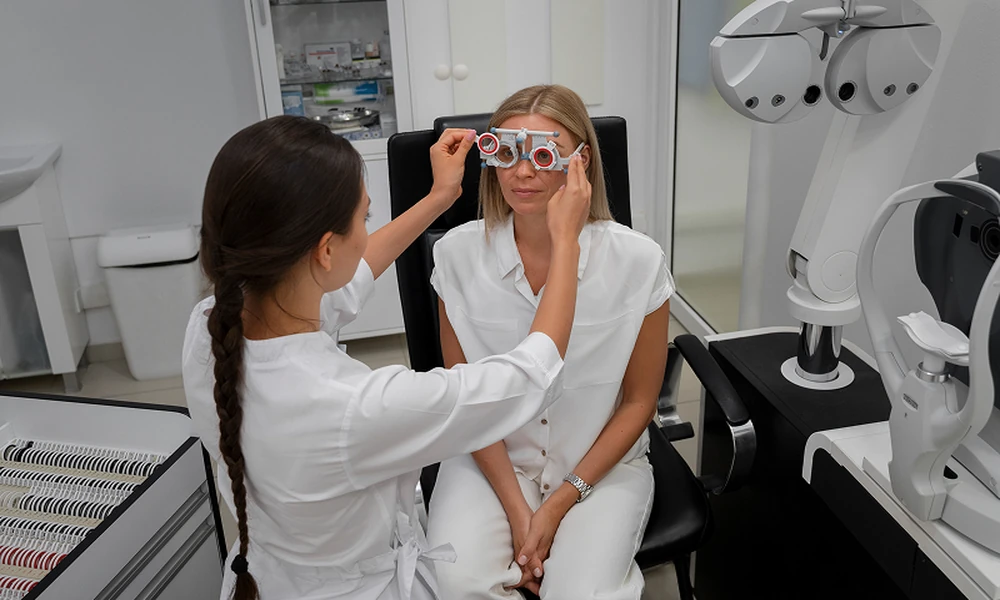
A thorough examination at an eye clinic helps identify these issues and allows specialists to recommend the most suitable option based on the patient’s condition.
Conclusion
Age influences eligibility for ICL surgery because it affects prescription stability and the likelihood of age-related eye conditions. Younger adults may need to wait for their vision to stabilise, while older patients require careful screening for conditions that could affect treatment outcomes. Although age is an important consideration, it is only one part of a comprehensive evaluation. A detailed assessment at an eye clinic in Singapore remains the most effective way to determine whether ICL surgery is appropriate for an individual’s visual and eye health needs.
Contact Nova Eye Centre and identify the most appropriate treatment approach for your visual needs.