

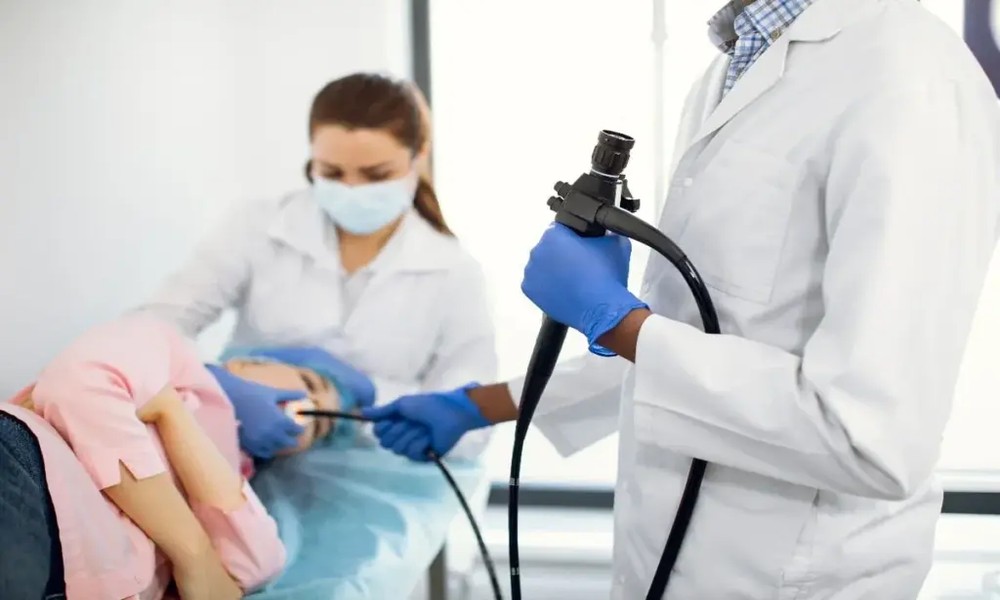
An endoscopy is a commonly performed medical procedure used to examine the digestive tract and help diagnose conditions affecting the stomach, esophagus, intestines, or colon. Doctors may recommend it for symptoms such as abdominal pain, acid reflux, bloating, swallowing difficulties, chronic diarrhea, or gastrointestinal bleeding.
Although the procedure itself is generally safe, proper preparation is important for accurate results and a smoother recovery. Certain mistakes before an endoscopic procedure may interfere with visibility during the procedure, increase discomfort, or even lead to delays or rescheduling.
Understanding what to avoid beforehand may help patients feel more prepared and reduce unnecessary complications.
Ignoring Fasting Instructions
One of the most common mistakes patients make is failing to follow fasting instructions properly.
Doctors usually advise patients to avoid eating or drinking for several hours before a diagnostic endoscopy. This helps ensure the stomach is empty, allowing the doctor to clearly examine the digestive tract.
Eating too close to the procedure may increase the risk of vomiting or aspiration during sedation. Even small amounts of food or certain beverages may affect visibility and compromise the accuracy of the examination.
Patients should carefully follow the fasting guidelines provided by their healthcare team.
Not Informing the Doctor About Medications
Some individuals forget to discuss their medications before the procedure.
Certain medications, especially blood thinners, diabetes medications, anti-inflammatory drugs, or supplements, may increase the risk of bleeding or interfere with preparation instructions. Doctors may recommend temporarily adjusting or stopping specific medications before the procedure.
Patients should provide a complete list of prescription medications, over-the-counter drugs, vitamins, and herbal supplements during consultation.
Proper communication may help improve safety during an endoscopy.
Failing to Mention Medical Conditions
Underlying health conditions may affect how the procedure is performed.
Patients with heart disease, diabetes, respiratory disorders, allergies, or previous reactions to sedation should inform their doctor beforehand. These conditions may require additional precautions, monitoring, or medication adjustments.
Failing to disclose medical history may increase the risk of complications during or after the procedure.
Eating the Wrong Foods Before the Procedure
Certain foods may interfere with digestive tract visibility and preparation.
For colonoscopy procedures, doctors often recommend avoiding high-fiber foods, nuts, seeds, and foods with colored dyes several days beforehand. These foods may remain in the digestive tract and obstruct the doctor’s view.
Heavy, greasy, or spicy meals shortly before fasting begins may also contribute to discomfort, bloating, or nausea.
Following dietary instructions carefully may improve the quality and accuracy of the examination.
Skipping Bowel Preparation Instructions
For procedures involving the colon, bowel preparation is extremely important.
Some patients do not complete the prescribed bowel cleansing solution because they find it unpleasant or inconvenient. However, incomplete bowel preparation may prevent doctors from properly examining the colon.
Poor bowel preparation may lead to missed abnormalities, inaccurate findings, or the need to repeat the procedure.
Completing all preparation instructions exactly as directed is essential for a successful endoscopy involving the lower digestive tract.
Smoking or Drinking Alcohol Before the Procedure
Smoking and alcohol consumption before the procedure may increase health risks.
Alcohol may interfere with sedation medications and contribute to dehydration. Smoking may increase stomach acid production and irritate the digestive tract, potentially worsening symptoms.
Doctors often advise avoiding alcohol and smoking for at least 24 hours before the procedure whenever possible.
Reducing these habits beforehand may also support smoother recovery after the examination.
Wearing Uncomfortable Clothing or Accessories
Many patients overlook practical preparation details on the day of the procedure.
Tight clothing, excessive jewelry, or complicated accessories may create unnecessary discomfort during medical preparation and recovery. Patients are generally encouraged to wear loose, comfortable clothing and avoid bringing valuables whenever possible.
This may help make the overall experience less stressful and more convenient.
Arriving Without a Companion
Sedation is commonly used during an endoscopy to help patients remain relaxed and comfortable.
Because sedation may temporarily affect alertness, coordination, and judgment, many clinics require patients to arrange transportation home after the procedure. Driving immediately afterward is usually not recommended.
Arriving alone without a companion may result in delays or cancellation of the appointment in some healthcare facilities.
Planning transportation ahead of time may help avoid unnecessary inconvenience.
Conclusion
An endoscopy is an important diagnostic tool that may help identify various digestive conditions early. However, preparation mistakes such as ignoring fasting instructions, incomplete bowel preparation, failing to disclose medications, or arriving without proper support may interfere with the procedure.
Understanding these common mistakes and following medical advice carefully may help improve safety, comfort, and diagnostic accuracy. Patients who prepare properly are more likely to experience a smoother procedure and better overall outcomes.