

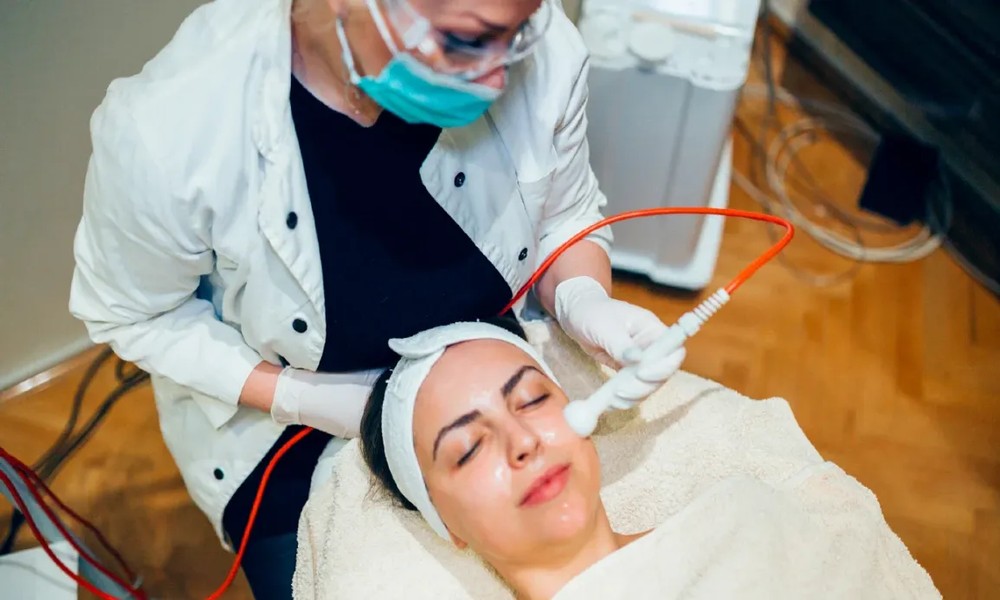
The medical aesthetics field is evolving rapidly. There is a significant shift towards non-surgical solutions for rejuvenation and contouring. Clients now expect effective, comfortable procedures with minimal downtime. This creates a growing demand for practitioners with advanced, specialised skills.
Mastering the correct techniques is crucial for delivering safe, visible results. Comprehensive professional programmes provide the necessary foundation. They combine essential theory with hands-on practical experience. This approach builds both competence and confidence in using advanced aesthetic technology.
For the practitioner, this specialised knowledge opens new doors. It allows for the expansion of service offerings within a clinic. Attracting a broader clientele seeking these popular, non-invasive treatments becomes easier. Ultimately, it represents a powerful investment in one’s professional future and client satisfaction.
Key Takeaways
- The demand for non-surgical aesthetic procedures is rising significantly in the UK.
- Advanced technical skills are essential to meet modern client expectations for safety and efficacy.
- Specialised education combines theoretical knowledge with crucial hands-on practice.
- Mastering these techniques can expand a clinic’s service portfolio and attract new clients.
- This form of professional development is a strategic investment for career growth in aesthetics.
- Competence in this area allows practitioners to cater to a diverse range of clients and concerns.
Overview of Radiofrequency Skin Tightening Training
The landscape of client demand increasingly favours practitioners equipped with a diverse skillset in non-surgical procedures. Specialised education programmes are designed to meet this need directly.
They provide a balanced mix of theoretical knowledge and crucial hands-on practice. This foundation is essential for safe and effective service delivery.
Programme Highlights and Expectations
A quality course delves into the core science behind the technology. Key topics include the principles of controlled energy delivery and understanding tissue response.
Comprehensive client assessment and robust safety protocols form a central part of the curriculum. This ensures practitioners can identify contraindications and manage treatments with confidence.
Introduction to Non-Invasive Aesthetic Treatments
This form of learning often sits within broader laser technician courses. Students gain valuable exposure to various popular modalities.
These include laser hair removal and advanced photorejuvenation techniques. Such a broad foundation allows professionals to address multiple client concerns.
It significantly enhances their service offering within the modern beauty and medical aesthetics sector. This versatility is a key career advantage.
The Science Behind Skin Tightening
To deliver effective non-surgical rejuvenation, a practitioner must first understand the core biological mechanisms at play. This knowledge ensures treatments are both safe and capable of producing the desired aesthetic outcomes.
Understanding Collagen and Elastin Stimulation
Unlike laser-based methods, radio-frequency technology uses an electrical current to generate precise heat within the tissue. This energy bypasses the surface layer to target the deeper dermis. Crucially, it is not dependent on pigment, making it suitable for all skin types.
When the dermis reaches a specific temperature, existing collagen fibres contract. This creates an immediate firming effect. Lasting improvements develop through the body’s natural wound-healing response.
This process stimulates the production of new collagen and elastin. It leads to improved texture and a more youthful appearance over time. The tissue remodelling occurs in three distinct phases.
First, the inflammatory phase activates cellular repair. Next, the proliferative phase generates fresh structural fibres. Finally, the remodelling phase organises this new matrix for firmer, tighter tissue.
For body contouring, the energy can reach the fat layer beneath the skin. Controlled heat encourages fat cells to release their contents. These are then naturally processed by the body’s lymphatic system.
Training Curriculum and Course Structure
The design of a professional course directly influences a practitioner’s ability to translate theory into successful clinical practice. A comprehensive curriculum provides this essential framework.
It balances in-depth theoretical education with crucial practical workshops. This approach ensures students gain both confidence and competence.
Didactic Learning and Theoretical Concepts
The foundational learning covers essential science. Topics include detailed skin anatomy and the principles of the electromagnetic spectrum.
Students study different radiofrequency device technologies, such as monopolar and bipolar systems. Robust safety protocols and client assessment techniques form a core part of this theoretical study.
Understanding how energy devices, including laser systems, interact with tissue is also covered. This knowledge is vital for effective treatment planning.
Clinical Applications and Practical Workshops
This is where theory becomes real skill. Under expert supervision, delegates practise on live models.
They develop techniques for treating specific facial and body areas. Hands-on sessions are focused on safe device handling and achieving optimal clinical endpoints.
Flexible Learning Formats and Duration
Programmes are designed for busy professionals. Formats include intensive multi-day courses, often spanning two days.
More comprehensive options may run over a week. Many providers also offer flexible online training with dedicated student portals.
This allows for self-paced learning alongside scheduled practical training sessions. The duration of a course can vary to suit different career goals.
Hands-On Experience and Practical Application
The transition from theoretical knowledge to clinical expertise hinges on one critical element: guided practical experience. This component allows practitioners to develop the nuanced feel and confidence required for successful treatments.
Under careful supervision, delegates practise using professional-grade devices on live models. They learn precise techniques for different facial and body areas.
Supervised Treatment Sessions
These sessions focus on safe device operation and achieving optimal clinical results. Students gain direct experience in protocols for facial rejuvenation and contouring.
This includes working on the delicate eye region, sculpting the jawline, and improving the texture of the neck. For the body, practice covers abdominal firming and techniques for smoothing the skin‘s surface.
Managing patient comfort and adhering to strict safety protocols are integral parts of the process.
Patient Consultation and Customised Treatment Planning
Effective consultations are vital for understanding individual clients and their goals. Training teaches how to assess concerns and evaluate suitability for various procedures.
Practitioners learn to create personalised plans that address specific skin laxity or contouring objectives. This ensures each treatment is tailored for the best possible outcome.
Building this rapport with clients from the initial meeting fosters trust and sets clear expectations. It is a fundamental skill for any successful aesthetic practice.
Safety, Certification and Regulatory Considerations
Operating advanced energy-based devices demands a thorough grounding in established safety protocols. Comprehensive training significantly reduces risks like burns or tissue damage. It forms the bedrock of professional competence.
OSHA and ANSI Safety Standards
Quality education incorporates guidelines from bodies like OSHA and ANSI. These standards govern the use of laser and other energy-based technology. Students learn to identify contraindications, including pacemakers.
Key procedures include temperature monitoring with infrared tools. Understanding these rules protects both the practitioner and client. It is a fundamental part of the certification process.
Device Handling and Protocols Endorsed by Penelope Academy Ltd
Proper handling, maintenance, and calibration of devices are critical. Protocols endorsed by industry leaders provide a clear framework. Practitioners learn to manage different types of cosmetic laser systems safely.
This knowledge ensures safe operation and helps recognise potential complications. A well-trained team can implement robust risk management strategies. Adherence to these procedures is essential for delivering effective, non-invasive treatments.
Finally, practitioners must understand varying local regulatory requirements. Obtaining professional liability insurance often requires proof of certification. This comprehensive approach to safety and regulation safeguards a clinical practice.
Career Opportunities in Aesthetics
Qualified practitioners find their skills are highly sought after across multiple healthcare and wellness settings. The expanding non-invasive aesthetics market offers diverse roles for those with advanced certification.
Employment spans medical spas, dermatology clinics, and plastic surgery practices. Specialised body sculpting studios and physicians’ offices also value these high-value services. Even day spas and beauty salons seek to deliver more dramatic results.
Industry Employers and Advancing Your Career
Niche boutiques focusing on specific treatments build loyal repeat clientele. Fitness centres and wellness facilities incorporate laser and contouring treatments into their amenities.
This creates positions for practitioners working with health-conscious clients. Offering multiple services like body contouring and cellulite reduction makes practitioners versatile assets.
This versatility supports career advancement over years of practice. High-value treatments significantly increase income potential and practice profitability.
Insights from Penelope Academy
As highlighted by Penelope Academy, proper certification provides professional credibility and regulatory awareness. This foundational knowledge is crucial for safely delivering advanced aesthetic services.
It opens doors to diverse employment settings. This supports long-term growth in the aesthetics field.
Conclusion
Achieving certification in this field represents more than a credential; it is the key to unlocking a broader range of high-value client solutions. This professional development provides the scientific knowledge and practical confidence needed to deliver safe, effective treatments with visible results.
It equips practitioners to meet growing demand for non-invasive solutions. These procedures can improve skin quality and shape, addressing concerns through firming and body contouring. The technology works by stimulating natural collagen production, offering a foundational approach to modern rejuvenation.
For the practitioner, this skillset is a powerful business asset. It allows for the expansion of services within a clinic or beauty practice, attracting a wider base of clients. This versatility supports a rewarding career in the expanding aesthetics industry.
Ultimately, comprehensive training and recognised certification are investments in one’s professional future. They enable practitioners to confidently meet their clients’ aspirations today.