

Why Delaying Removal Can Backfire
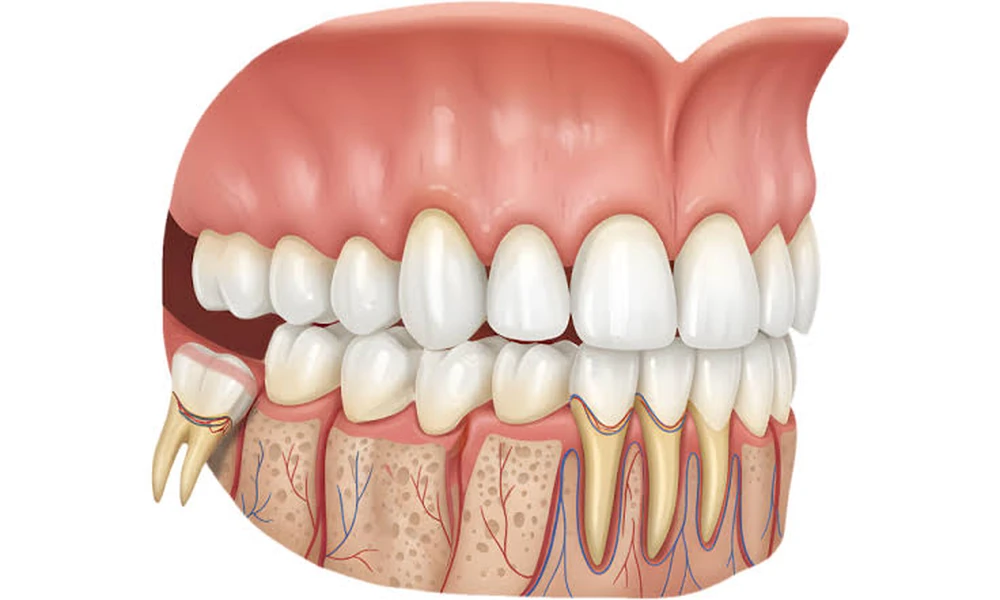
Ignoring a troublesome wisdom tooth rarely makes the situation better, and in most cases it quietly gets worse. Pain that starts as a dull ache behind the molars can escalate into swelling, infection, or pressure that radiates into the ear and jaw. Left unchecked, an impacted tooth can push against neighboring teeth, shifting a bite that took years of orthodontic work to perfect. Bacteria trapped around a partially erupted tooth can also lead to gum disease in that corner of the mouth, which spreads more easily than most people expect.
The risk is not limited to the mouth itself. Chronic low-grade infection near the jaw has been linked to recurring sinus pressure and headaches, especially when upper wisdom teeth are involved. Cysts can form around teeth that never break through the gum line, and while these are often slow-growing, they can damage bone and nearby roots if they go unnoticed for years. Waiting for a convenient time to deal with the problem often means waiting through months of discomfort that could have been avoided with earlier evaluation.
Dentists frequently see patients who put off a consultation because the discomfort comes and goes. That inconsistency is part of what makes wisdom teeth deceptive. A tooth can feel fine for weeks, then flare up suddenly after a cold, a stretch of poor sleep, or even a minor dental cleaning that disturbs inflamed tissue nearby.
Age plays a role as well, since younger patients tend to have softer bone and shorter, less developed roots, which generally makes extraction simpler and recovery faster. Waiting into the thirties or forties often means denser bone has formed around the tooth, and roots may have curved or fully developed, making the procedure more involved. Dentists sometimes recommend removal before any symptoms appear specifically because of this timing issue, reasoning that a calm, uneventful extraction now beats a complicated one later. That logic frustrates some patients who feel pressured to act on a tooth that currently causes no pain, but the underlying concern about future difficulty is grounded in how jaw bone changes with age.
Matching the Right Procedure to the Tooth
Not every wisdom tooth requires the same approach, and understanding the available extraction options for wisdom teeth helps patients feel less anxious walking into a consultation. A tooth that has erupted fully and sits at a normal angle may only need a straightforward extraction similar to removing any other tooth. Teeth that are partially covered by gum tissue or angled sideways against a neighbor usually call for a surgical approach, where a small amount of gum or bone is adjusted to allow the tooth to come out in one piece or in sections.
Sedation choices also vary depending on the complexity of the case and the patient’s comfort level. Some people do well with local anesthesia alone, staying alert while the area is numbed. Others benefit from nitrous oxide for mild relaxation, while more involved extractions, particularly those involving teeth still buried in bone, often call for IV sedation so the patient feels nothing and remembers little of the procedure. None of these choices is inherently better than another; the right one depends on the tooth’s position, the patient’s anxiety level, and any underlying health conditions that affect how sedation is processed.
Recovery time tends to track with how complicated the extraction was rather than how many teeth were removed. A single surgical extraction of a deeply impacted tooth can require more downtime than removing all four wisdom teeth that had already erupted normally. Swelling typically peaks around the second day, and most patients return to normal eating and speaking within a week, though full bone healing continues for months afterward.
Imaging plays a quiet but central role in deciding which path makes sense. A panoramic X-ray or, in more complicated cases, a three-dimensional scan lets a dentist see exactly how close a tooth’s roots sit to nerves or sinus cavities before any decision is made. That information shapes not only the surgical technique but also the sedation recommendation and the expected recovery window. Patients who see their own scans and get a plain-language explanation of what the images show tend to arrive at the appointment with fewer unanswered questions.
Cost and insurance coverage often influence which path a patient chooses, and that is a reasonable factor to weigh alongside clinical advice. A dentist who explains the reasoning behind a recommended approach, rather than simply naming a procedure, gives patients a better chance of feeling confident about the decision. Questions about pain management, time off work, and what the tooth looks like on an X-ray are all fair to raise before scheduling anything. A clear conversation before the procedure, covering diet restrictions, expected swelling, and how long discomfort typically lasts, tends to leave patients far less rattled once the appointment day actually arrives.