

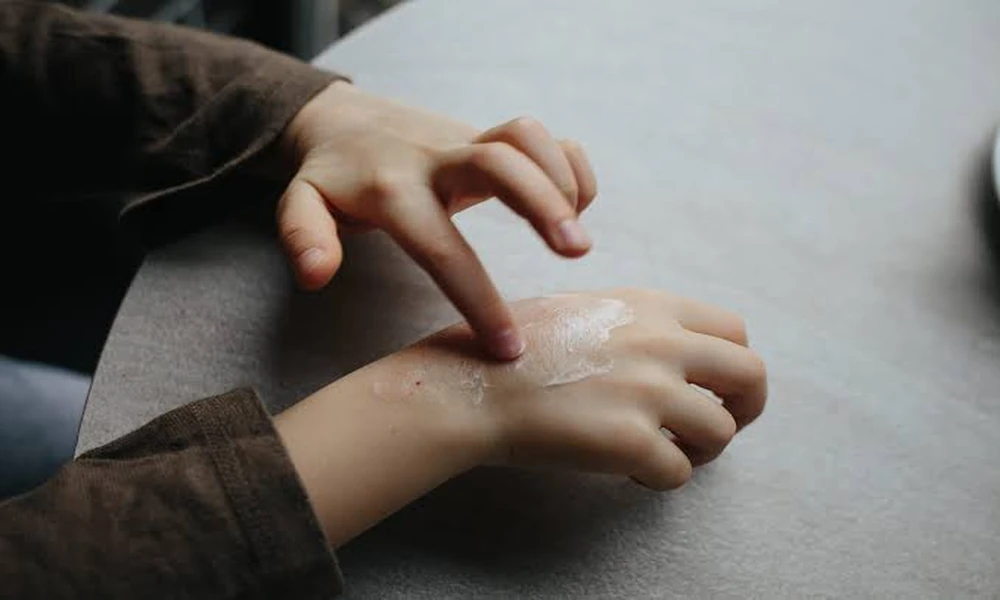
A weekend outdoors can feel great in the moment. Then Monday arrives, and the mirror tells a different story. Skin may look dull, rough, tight, or uneven after days of strong sun, wind, heat, or cold. While these changes can be frustrating, skin has an impressive ability to recover when given the right support. The process takes time, but small daily habits can help restore comfort, balance, and a healthier appearance.
As recovery routines continue to evolve, many people explore different approaches to skin wellness among non-invasive skincare options a red light therapy mask has become one of the tools frequently discussed alongside hydration, barrier repair, and daily sun protection.
Key Takeaways
- Sun and weather exposure can weaken the skin barrier and contribute to dryness and irritation.
- Gentle cleansing and consistent hydration help support recovery.
- Antioxidant-rich skincare and healthy lifestyle habits may improve overall skin resilience.
- Protecting skin from future environmental stress is just as important as repairing past damage.
- Among non-invasive skincare options, a red light therapy mask has become a familiar addition to some wellness-focused skincare routines.
- Consistency matters more than quick fixes when restoring skin health.
Why Skin Changes after Environmental Exposure
Skin acts as a protective shield between the body and the outside world. Every day, it faces sunlight, pollution, temperature shifts, and moisture loss. Extended exposure can place stress on this barrier.
After too much sun, skin may feel dry, look red, or appear uneven in tone. Wind can strip away moisture and leave skin feeling rough. Cold weather may reduce hydration levels, while hot weather often increases water loss through the skin.
These factors can affect how smooth, comfortable, and healthy skin looks. Recovery begins by helping the skin regain balance rather than overwhelming it with aggressive treatments.
Focus on Barrier Support First
Many people rush to exfoliate when skin looks dull after sun or weather exposure. In reality, a damaged skin barrier often needs a gentler approach. Start with a mild cleanser that removes dirt without leaving skin tight. Follow with a moisturizer that helps lock in hydration. Ingredients such as ceramides, glycerin, and hyaluronic acid are commonly used to support moisture retention.
Think of recovery as rebuilding rather than correcting. Skin that feels comfortable and hydrated is often better prepared to handle environmental stress in the future.
Hydration Works from the Inside and Outside
Moisturizers are helpful, but hydration does not stop there. Water intake, balanced nutrition, and adequate sleep all influence skin appearance. Fruits and vegetables with high water content can contribute to hydration while providing vitamins and antioxidants. Foods rich in healthy fats may also support the skin’s natural protective barrier.
Simple habits often produce noticeable improvements over time. Consistent hydration can help skin look plumper and more refreshed as recovery progresses.
The Quiet Role of Antioxidants
Environmental stress can contribute to oxidative damage within the skin. Antioxidants are often included in skincare routines because they help address this challenge. Vitamin C, vitamin E, and plant-based extracts are popular examples. Rather than delivering overnight transformation, these ingredients work gradually as part of a broader skin-support strategy.
Pairing antioxidant products with daily sun protection can help maintain healthier-looking skin and reduce future environmental stress.
A Wellness-Focused Addition to Skin Care
Not every recovery strategy comes from a bottle or cream. Light-based wellness technologies have attracted attention among individuals interested in supporting their skincare routines.
One example is the Celluma Red Light therapy mask, which is designed to deliver specific wavelengths of light to the skin during treatment sessions. Many users choose this type of approach as part of a broader routine focused on maintaining skin wellness and supporting a healthy-looking complexion.
Preventing Future Damage Matters Too
Recovery is important, but prevention creates long-term benefits. Daily sunscreen use remains one of the most effective habits for protecting skin from environmental exposure.
Protective clothing, wide-brimmed hats, and seeking shade during peak sunlight hours can further reduce stress on the skin. During colder months, using a richer moisturizer may help defend against dry air and harsh weather conditions. These habits work together to create a stronger foundation for skin health throughout the year.
Patience Often Produces the Best Results
It is tempting to search for immediate solutions when skin looks tired after sun and weather exposure. Yet skin renewal is a gradual process. Gentle care, hydration, nutrition, and consistent protection usually provide better outcomes than aggressive treatments performed too frequently.
Over time, skin often responds positively to supportive routines that focus on balance rather than extremes. Small daily choices can help restore comfort, improve appearance, and strengthen the skin’s ability to handle future environmental challenges. Recovery is rarely about one product or one treatment. It is the result of steady care that allows skin to do what it was designed to do: repair, adapt, and renew itself.