

Key Takeaways
- Identifying the specific source of discomfort is the primary step toward regaining a full range of motion.
- Consistency in prescribed physical movements facilitates the natural healing process of soft tissues.
- Professional intervention helps prevent minor strains from developing into persistent physical limitations.
- Adopting ergonomic habits in daily life reduces the stress placed on the glenohumeral joint.
Introduction
The complexity of human anatomy often means that minor discomforts are ignored until they interfere with daily activities like dressing or reaching for a shelf. Many people assume that a dull ache in the upper arm will simply fade with enough time and inactivity. However, seeking professional guidance from a shoulder specialist is frequently the most reliable way to determine if a structural issue exists within the joint. These professionals possess the specific expertise required to differentiate between simple muscle fatigue and more significant underlying conditions that demand a focused recovery plan.
1. Precise Assessment and Early Intervention
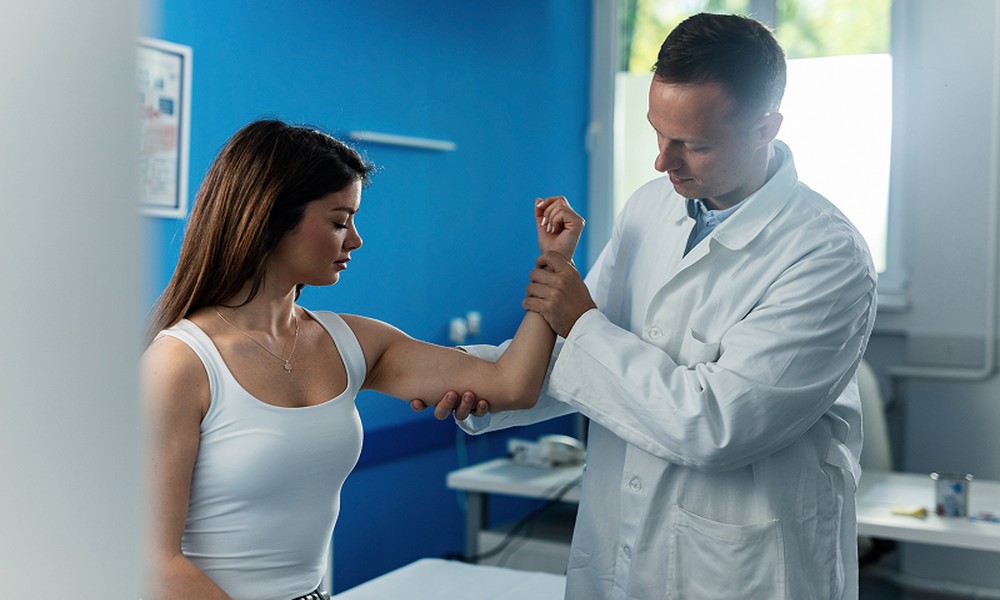
Acknowledging the mechanics of your own body allows for a more proactive approach to health rather than a reactive one. When a person experiences a sharp catch during overhead movements, it often indicates that the tendons are under unnecessary stress. A dedicated professional can perform clinical tests to see how the humerus interacts with the acromion, ensuring that any inflammation is caught before it compromises the integrity of the surrounding ligaments. This early stage of care focuses on calming the initial irritation through activity modification and specific manual techniques that encourage blood flow to the affected area.
2. Structured Rotator Cuff Injury Treatment
Once a clear picture of the joint health is established, the focus shifts toward a methodical recovery process. Engaging in a tailored rotator cuff injury treatment plan involves more than just standard exercises; it requires a deep understanding of how to balance strength between the internal and external rotators. Most individuals tend to have overactive chest muscles, which pull the shoulders forward and create a narrow space for the tendons to glide through. By focusing on the posterior chain and the muscles that stabilise the scapula, the joint can sit in a more natural position, significantly reducing the risk of further impingement or fraying of the soft tissues.
3. Sustainable Movement Patterns
Recovery is not a finish line but rather a transition into a more mindful way of moving. It is easy to fall back into old habits once the initial pain subsides, yet the secret to avoiding a recurrence lies in maintaining the postural gains made during the initial phase of care. This involves setting up a workstation that supports the elbows and ensures the neck is not protruding forward, as the nerves supplying the arm originate in the cervical spine. Small adjustments to how one carries a bag or lifts heavy objects can make a substantial difference in how the joint wears over the years, ensuring that the mobility gained through professional help is preserved. Consistent awareness of these biomechanical details creates a protective environment for the shoulder specialist to monitor as you gradually reintroduce more demanding physical activities into your daily routine.
Conclusion
A full return to your favourite hobbies or sports requires a blend of patience and expert insight. While it might be tempting to rely on generic advice found online, the nuances of your specific anatomy deserve a focused approach that addresses the root cause of your discomfort. Prioritising a structured rotator cuff injury treatment ensures that the body has the support it needs to rebuild strength and resilience. By combining professional oversight with disciplined daily habits, you can look forward to a future defined by fluid, comfortable movement and a significantly improved quality of life.
Contact Dr. Bryan Tan to schedule your consultation and begin your journey toward better shoulder health.