

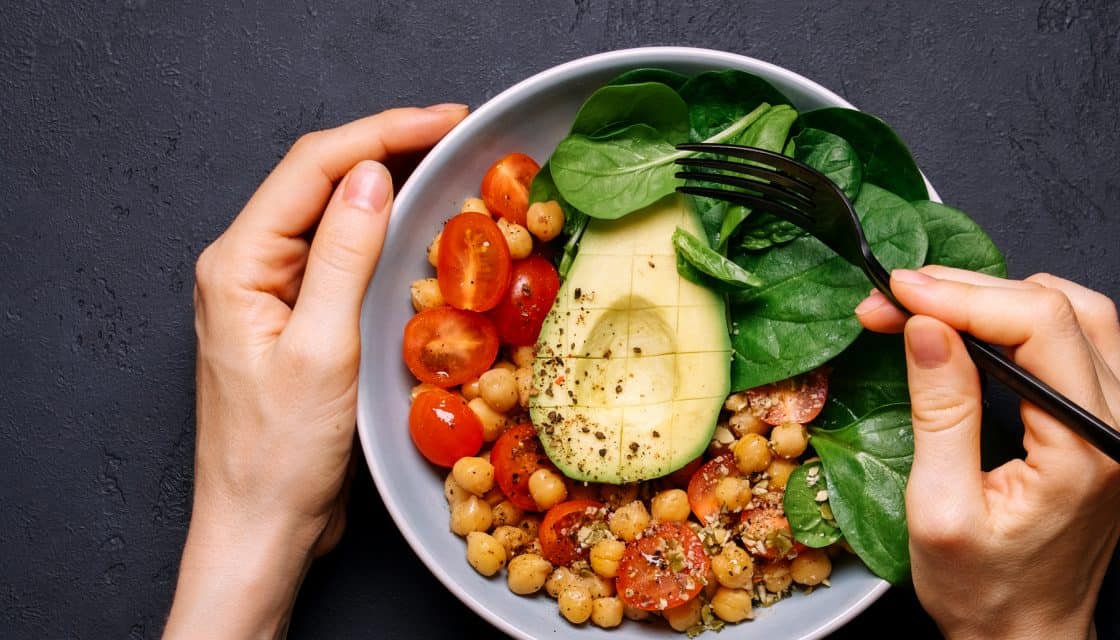
Many people believe a lively diet removes the need for supplements. This belief makes sense. This raises a main question. If you already eat healthy, do you really need a vitamin pack? The answer depends on the food feature in addition.
What “Eating Healthy” Actually Means
Eating healthy looks different for all. Some people eat balanced food daily. Others eat well most of the time. Even with good intentions, digestive gaps can survive. Modern diets vary widely in food density. Food quality, too, depends on sourcing, preparation, and sorting.
Common reasons healthy diets may still fall short:
• Limited food sort due to routine food
• Nutrient loss from feed processing and cooking
• Inconsistent food timing
• Seasonal chance of certain cookings
A diet can be healthy and still miss particular micronutrients.
What Multivitamin Packs Are Designed to Do
Multivitamin packs are not intended to replace meat. They are designed to support daily food. Packs often contain vitamins, minerals, and antioxidants divided into daily sachets. This format enhances convenience and regularity.
Core purposes of multivitamin packs:
• Fill small digestive gaps
• Support strength and immune function
• Provide structure to supplementation
• Reduce the risk of imperfections
Their role is supportive, not corrective.
Situations Where Healthy Eaters May Still Benefit
Even the public who eat well can face greater nutrient demands. Lifestyle determinants increase nutrient consumption. Stress, exercise, and aging all influence requirements. In these cases, a multivitamin pack can supply backup support.
Healthy eaters may benefit from:
• Physically active individuals
• People under never-ending stress
• Those with challenging work schedules
These positions can create delicate deficiencies over time.
When a Multivitamin Pack May Be Unnecessary
In a few cases, supplementation may add little value.
You may not need a pack if:
• You eat a wide assortment of whole foods day-to-day
• Blood work shows no deficiencies
Over-supplementing can also bring about excess intake of certain nutrients.
The Risk of Relying Too Much on Supplements
Multivitamin packs can generate a false contentment. Some people rely on supplements while disregarding diet quality. This approach limits general health benefits.
• Do not support complete nutrition
• Cannot follow proper meals
• Absorption changes between things
• Effects are subtle, alternatively dramatic
Food should continually remain the groundwork.
How to Decide What’s Right for You
The decision should be personal. It endure be based on lifestyle, fitness goals, and regularity. A multivitamin pack is most useful as protection rather than a necessity.
Questions to ask yourself:
• Is my diet consistent continually?
• Do I experience fatigue or slow improvement?
• Would convenience enhance my consistency?
Honest answers help guide better selections.
Conclusion
If you eat healthy, you do not strictly need a multivitamin pack. However, active eating does not guarantee perfect food. Multivitamin packs can act as a safety net, all the while in busy or challenging periods.